Mold After Fire Damage in Foreston, MN
Mold removed from wet drywall, insulation and sound framing after a fire in your Foreston property. Call 24/7 to start your moisture assessment and cleanup.
- Firefighting water traced
- Containment and HEPA filtration
- Wet materials assessed
Your Mold After Fire Damage Services in Foreston
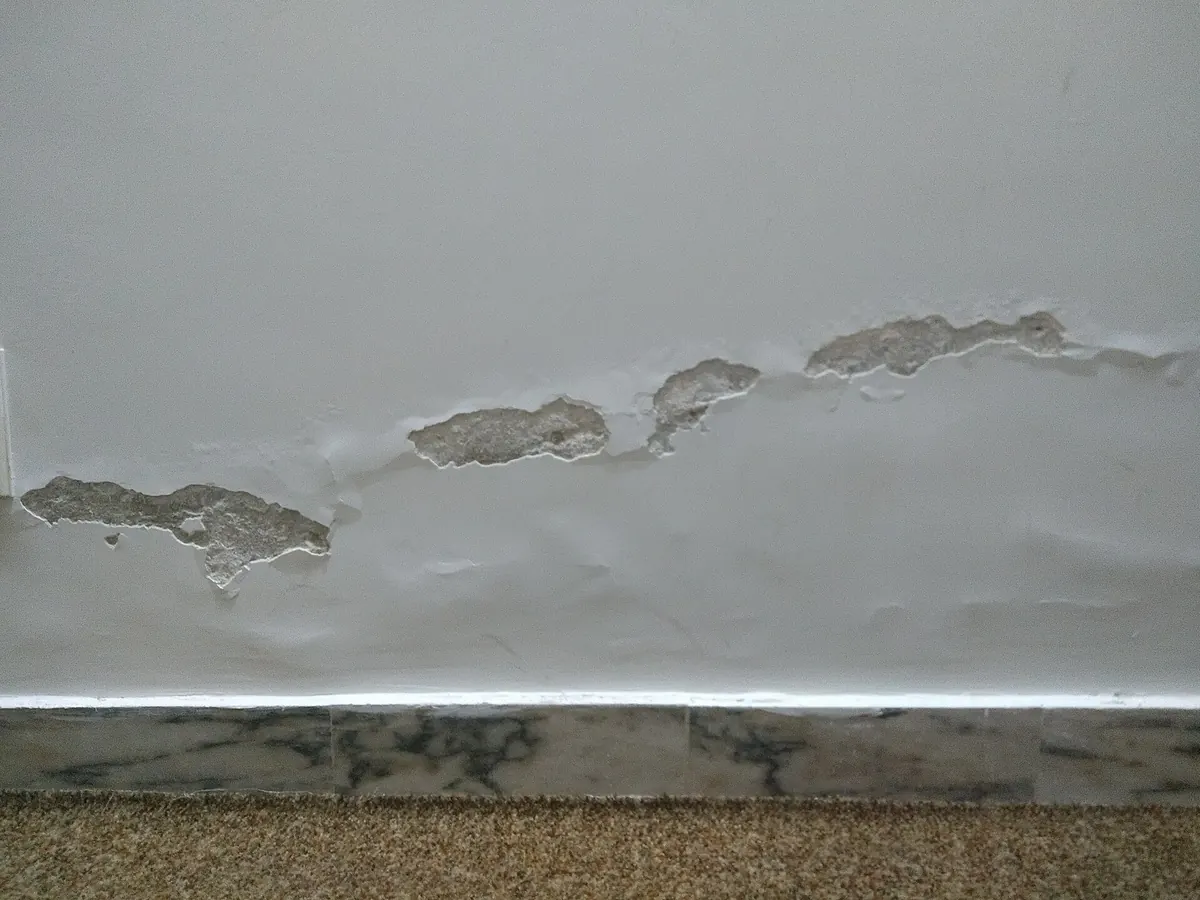
Your walls and ceilings, along with floor layers and attic framing, are included in mold cleanup where firefighting water reached them. Sound surfaces are dried after cleaning, while damaged materials come out.
Moisture mapping looks beyond visible growth to trace wet cavities, insulation and drywall. Your rooms may have escaped the flames but still received water during efforts to extinguish the fire.
Mold removal has a separate place in your written work scope from fire restoration, burned materials and soot cleanup. Areas stay off limits until entry is permitted.
- Evaluating the moisture source alongside firefighting water
- Contained drywall and insulation removal
- Sound framing and cavity cleaning
- Structural drying with moisture readings
- Final checks before replacement finishes
Recognizing the Need for Post-Fire Mold Cleanup in Foreston
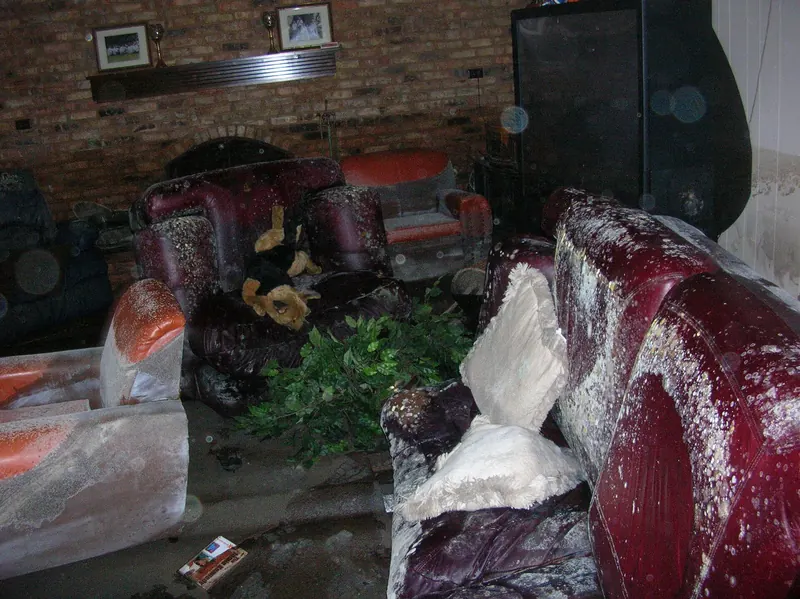
Musty smells, growth and moisture warrant a post-fire assessment.
Wet Insulation Under Roof Openings
Water entry leaves insulation in your attic still damp.
Damp Ceilings Below the Fire
You may notice soft or stained ceilings where water remains between floors.
Musty Odor Beneath Smoke Odor
You still notice a musty smell despite fading smoke odor.
Mold Along Cabinet Areas and Flooring Edges
Around baseboards, cabinets or flooring, growth or swelling becomes visible.
Mold on Previously Wet Walls
You see spots outside the burned area on trim or drywall touched by firefighting water.
Mold Cleanup Following Fire Damage: How Work Proceeds
Once entry is permitted, your cleanup proceeds to removal, then drying and verification.
Access and Mold Assessment
Entry restrictions establish accessible rooms. Mapping moisture uses a moisture meter, while a thermal imaging camera shows differing temperatures without identifying mold.
Moisture Source and Cleanup Scope
Water paths, roof openings and leaks are assessed. The scope distinguishes water removal, leak repair, board-up and restoration of smoke damage from mold work.
Mold Containment and Filtration
A containment barrier uses poly sheeting. Particle spread is limited using protective equipment, a HEPA air scrubber and negative air pressure.
Damaged Material Removal
Moldy insulation and unsalvageable water-damaged materials are bagged within containment. Affected cavities are opened through drywall removal; debris travels on a protected path.
Framing and Surface Cleaning
For non-porous surfaces and sound framing, cleaning uses a HEPA vacuum and appropriate damp methods. Antimicrobial treatment cannot substitute for removal, while cleaning soot is a separate task.
Structural Drying
Dehumidification and controlled air movers support the drying process. While ongoing water entry is addressed, moisture readings inform changes to drying equipment.
Mold Cleanup Verification
Post-remediation verification covers drying and cleaning. An independent assessor performs clearance testing when specified.
Containment Removal and Repair Handoff
Verification, together with final cleaning, precedes taking containment down. Correct moisture and complete needed fire and water damage repairs before installing replacement finishes.
Your Choice for Mold After Fire Damage: Why Minneapolis Mold Removal Services
Calls Answered 24/7
Use one number for your mold assessment after a fire anywhere in the metro, including nights and weekends.
Clear Mold Cleanup Scope
Your scope separates mold removal and drying from smoke cleanup and rebuilding.
Contained Work With HEPA Filtration
Containment shields nearby areas; HEPA filtration is selected to suit material removal.
Removal Through Final Checks
Removing, cleaning and drying materials precede the final checks and containment removal.
Firefighting Moisture Traced First
Water paths through ceilings, wall cavities and floor layers are assessed before removal.
Before Post-Fire Mold Cleanup in Mille Lacs County
Arrange your assessment with a call, leaving restricted areas alone.
- Respect Fire Restrictions. Structural and electrical hazards take priority over access to wet materials.
- Leave Mold Undisturbed. Leave growth unscraped, insulation in place and mixed fire debris undisturbed.
- Keep Affected HVAC Off. EPA says suspected mold-contaminated equipment should not run because it can spread mold spores.
- Avoid Wet Wiring. Stay clear of water around damaged fixtures, panels and electrical outlets.
- Keep the Work Area Clear. Exclude people and pets from affected rooms and routes used to remove debris.
Cost of Mold After Fire Damage in Foreston, MN
Mold cleanup and repair figures shown here overlap and reflect national ranges. Neither adding them up nor treating them as a full fire restoration price is appropriate.
Typical national range, average $3,500
$1,500 to $9,000 per jobSource: Fixr, Mold Remediation Cost (checked 2026-10-23)Restoration for severe cases
$10,000 to $20,000 per jobSource: Fixr, Mold Remediation Cost (checked 2026-10-23)Damage repair after remediation
$2,000 to $20,000 per jobSource: Bob Vila, Mold Remediation Cost (cites Angi and HomeAdvisor) (checked 2026-10-23)Areas over about 10 square feet: rate for professional work
Each square foot costs $10 to $30Source: Fixr, Mold Remediation Cost (checked 2026-10-23)Post-Fire Mold Cleanup Cost: What Affects Your Price
- Drying equipment and moisture levels
- Replacement finishes
- Access behind walls and ceilings
- Insulation and debris volume
- Separate roof and leak repairs
- Affected square footage
Your Cleanup Scope and Price
These published national ranges are planning figures. Your on-site assessment defines the work and price before cleanup starts, including any separate source repairs or rebuilding.
Call (844) 352-3560 about costMold After Fire Damage Service Area Across Greater Minneapolis
Call (844) 352-3560 to arrange cleanup in Foreston or nearby communities. One number covers the metro.
ZIP codes
Answers to Mold After Fire Damage Questions in Foreston
How long does post-fire mold cleanup take in Foreston?
Assessment and allowed access shape your schedule. Work requirements differ for opening wet cavities, taking out insulation and drying framing. Moisture readings determine how long drying takes. Replacement finishes and reopening rooms must account for the timing of fire repairs and final checks.
How much does post-fire mold cleanup cost in Mille Lacs County?
Your cost reflects removal needs, drying requirements, affected square footage and moisture concealed within materials. Different scopes and units accompany the national price ranges displayed in the cards. Before work begins, your assessment sets mold cleanup charges and separately identifies replacement finishes, moisture repairs and smoke cleaning.
Can you stay in the property during mold cleanup?
Your ability to occupy the property rests on fire restrictions, usable utilities and structural condition. Mold work needs a controlled debris path as well as separation from rooms in use. Set access restrictions ahead of removal. Containment alone does not establish that staying is appropriate, and some properties remain unoccupied through repairs.
Do you need testing ahead of or following post-fire cleanup?
With visible mold, EPA guidance says air sampling is often unnecessary. Moisture mapping and inspection define the affected area. Cleaning and drying are checked before containment comes down. Use an independent assessor to perform the specified clearance testing. Federal limits do not exist for mold levels inside buildings.
Must all drywall and framing damaged by fire be removed?
Removal depends on assessed damage and material condition. Disposal may be necessary for moldy drywall and insulation; sound framing can often be dried and cleaned. Burned wood requires its own structural evaluation. Mold removal is listed distinctly in your scope from structural repairs and fire demolition.
Can mold return once cleanup is complete?
If dampness lingers or water returns, you may see mold again. Your cleanup traces firefighting water and ongoing leaks before removal. Your scope defines moisture corrections while sound surfaces receive cleaning and drying. Drying checks precede replacement finishes to prevent enclosing materials that remain damp.
Does mold cleanup include fixing leaks and smoke damage?
Include leak repair and smoke cleaning only where your scope names those tasks. The assessment separates mold removal from corrections while identifying where water continues entering. Burned materials and soot require work specific to fire restoration. Drying and verification precede new finishes over affected areas.
Insurance for Post-Fire Mold Cleanup in Minnesota
Your policy terms and moisture cause affect homeowners insurance, along with exclusions, the deductible and mold coverage limits. Your claim's treatment of fire repairs may differ from its treatment of mold cleanup.
Greater Minneapolis Post-Fire Mold Work: Safety Considerations
Access controls, fire damage and contaminated water shape your cleanup.
Restricted Work Zones
Containment and an air filtration device limit particle spread during material removal.
Mixed Fire Debris
After exposure to damaged materials and soot, the water's condition is checked.
Structural Damage
Mold cleaning cannot determine the load-bearing ability of burned framing.
Hidden Mold
Nearby finishes that appear dry do not eliminate the need to assess wet cavities.
Cleanup scope: EPA guidance for homeowners covering areas under about 10 square feet does not address fire hazards. A professional should assess extensive damage, contaminated water or an affected HVAC system.
Firefighting Water and Mold-Damaged Materials in Mille Lacs County
The state of your materials guides the choice between cleaning and removal.
Drywall and Insulation
- You may need affected porous materials taken out so hidden cavities can be exposed and dried.
Wood Framing
- Sound wood receives cleaning and drying. A separate structural evaluation is necessary for fire-damaged framing.
Tile, Metal and Floor Layers
- Non-porous surfaces within reach may allow cleaning. Each damaged carpet, cabinet and subfloor receives assessment.
Mold Cleanup After a Fire: Scheduling in Mille Lacs County
Your timing depends on entry, removal, drying and repair work.
- Access Restrictions: Limited access to rooms holds up assessment and initial removal.
- Concealed Moisture: Successive readings monitor how opened wall and floor structures are drying inside.
- Repair Readiness: Correct moisture and complete final verification before replacement finishes go in.
Fire Damage in Greater Minneapolis: Mold and Smoke Odor
Check your materials and moisture when an odor is musty. Soot and smoke smells require separate fire cleanup. Fragrance corrects neither underlying source.
A dehumidifier can help you regulate humidity, though it neither removes mold nor repairs leaks. For indoor relative humidity, EPA recommends staying below 60 percent; ideally, aim for 30 to 50 percent.
Requirements for Mold and Fire Repairs in Minnesota
Mold Work Requirements
The Minnesota Department of Health says neither the state of Minnesota nor any federal agency licenses or certifies mold investigators or remediators. If you are hiring someone, ask about their training and experience, and check your local contractor rules.
EPA Guidelines for Drying
Dry water-damaged areas and items within 24 to 48 hours to prevent mold growth.
Fire Repair Permits
Your permit needs depend on planned work involving the structure, electrical systems or roof.
State Mold Information
The Minnesota Department of Health, Environmental Health Division, Indoor Air Unit offers phone and email advice on mold at 651-201-4601. It does not offer inspection or testing services.
State guidance: Minnesota Department of Health: Mold in homes; Minnesota Revisor of Statutes: 513.55 Disclosure
Related Services and Next Steps
Start Your Mold After Fire Damage in Foreston
Call 24/7 to arrange your assessment. Your cleanup starts with the affected surfaces, moisture source and access to your home.